
- Products:
- - Buy Product - Bumper 625 1lt
Rust in turf: Identification, Causes & Management
What is Rust?
Rust is a common foliar disease of turf caused by several species of Puccinia & Uromyces fungi. It primarily affects cool-season grasses such as perennial ryegrass, Kentucky bluegrass, and fine fescues, but can also occur in warm-season turf under favourable conditions.
Rust is generally considered a disease of stressed or slow-growing turf and is most commonly seen during periods of moderate temperatures, high humidity, and low fertility.
Symptoms of Rust
Above-Ground Symptoms
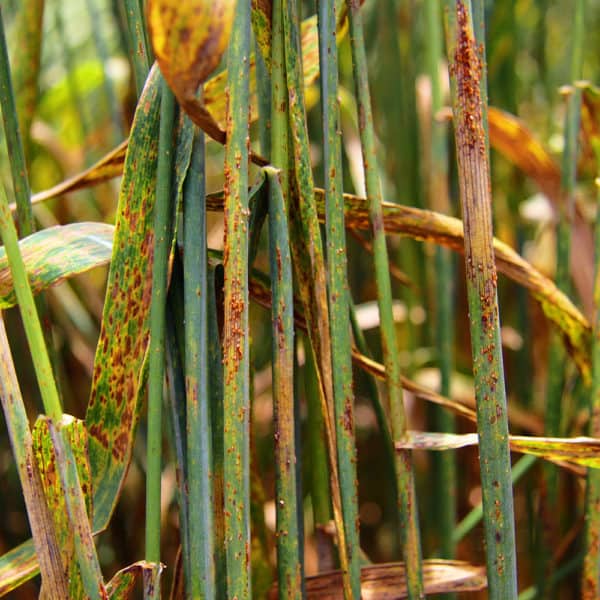
- Yellow to orange spots developing on grass leaves.
- Orange, yellow, or rust-coloured spores that easily rub off onto shoes, equipment, or hands.
- Turf may appear thin, weak, or discoloured.
- Affected areas often have a dusty or powdery appearance.
- Disease may occur in patches or across large areas of turf.
Turf Health
- Rust rarely kills turf.
- Severe infections can reduce turf density and vigour.
- Recovery is usually rapid once growing conditions improve.
Conditions That Favour Disease
Rust commonly develops when turf growth slows and environmental conditions favour fungal development.
Factors that increase disease pressure include:
- Low nitrogen fertility.
- Prolonged leaf wetness from dew, rainfall, or irrigation.
- Moderate temperatures, typically between 15–25°C.
- High humidity and poor air movement.
- Turf under drought or nutrient stress.
- Excessive shade.
Rust is often most noticeable during late summer, autumn, and periods of reduced growth.
Management Strategies
Improve Turf Vigour and Health
The most effective control for rust is encouraging active turf growth.
Key cultural practices include:
- Maintaining adequate nitrogen levels.
- Following a balanced fertiliser program.
- Improving airflow and sunlight penetration.
- Managing irrigation to reduce prolonged leaf wetness.
- Removing morning dew where practical.
- Mowing regularly to encourage healthy growth.
In many cases, turf will naturally grow out of a rust infection once growing conditions improve.
Fungicide Control
Fungicides are rarely required for minor rust outbreaks but may be justified on high-quality sports turf, golf courses, or heavily infected areas.
Preventative or early curative applications can help reduce disease severity when environmental conditions remain favourable for extended periods.
Recovery
Recovery from rust is generally quick once the underlying stress is corrected. Fertility improvements, particularly nitrogen applications, often produce noticeable improvements within a few weeks as healthy leaf growth replaces infected tissue.
Key Takeaway
Rust is primarily a disease of slow-growing or stressed turf rather than a major turf killer. Maintaining adequate nutrition, reducing plant stress, and promoting consistent growth are the most effective ways to prevent and manage outbreaks. In most situations, healthy turf can outgrow rust without the need for fungicide applications.
While Rusts won’t always kill the grass, it does weaken it, making it vulnerable to other turf diseases. Ask Lawn Addicts about a range of lawn care programs and advice about other products to prevent and treat Rusts.